
How does convertible debt change the dilution and refinancing risk of a technology stock?
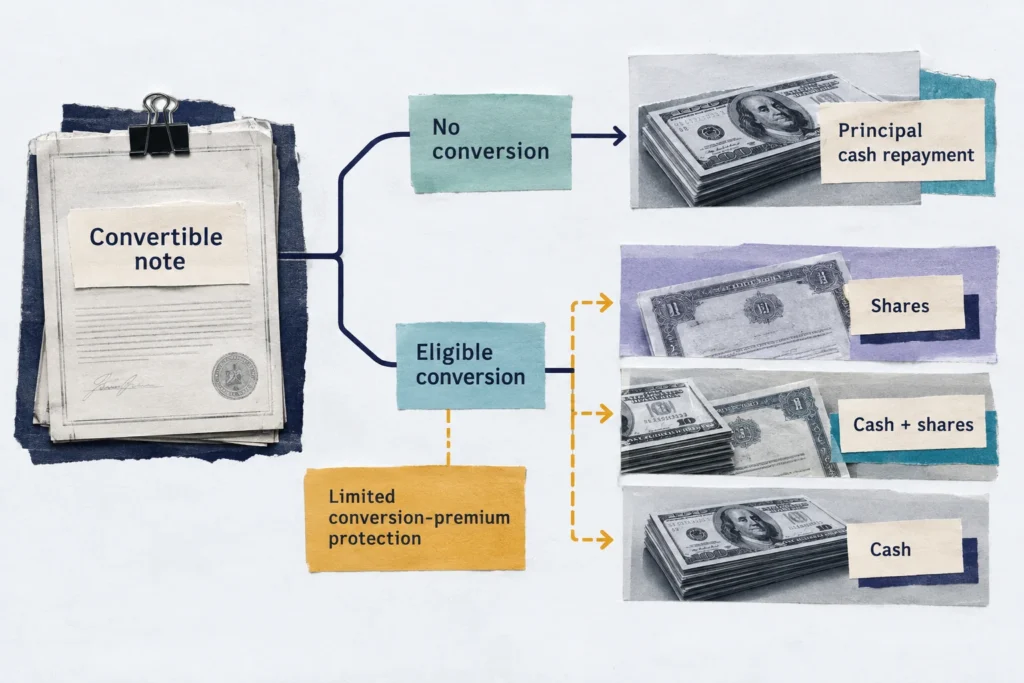
A low coupon doesn’t tell you whether convertible debt will consume cash, dilute shareholders, or do both. Follow one disclosed issuance through repayment and conversion, and keep each claim from being counted twice.
When Does a Technology Company’s Large Cash Balance Actually Reduce Risk for Shareholders?

Cash offers real protection when the company can access it in time to cover necessary spending and dated obligations, even if operating cash generation weakens.
How Does an At-the-Market Stock Offering Affect Cash Runway and Shareholder Dilution?

An ATM announcement isn’t cash in the bank. Here’s how to separate completed financing from unused capacity, calculate ownership dilution, and estimate the time a raise actually buys.
What Does a Technology Company’s Customer Concentration Mean for Its Growth Forecast?

Customer concentration makes growth sensitive to a few purchasing decisions. What matters is how changes in those purchases affect revenue, costs, and bargaining power, not whether a percentage crosses a magic cutoff.
The Biggest Risks of Investing in High-Growth Technology Stocks

High-growth tech stocks can create outsized gains, but they can also punish weak analysis. Here are the biggest risks, why they matter, and how to evaluate them before buying.