
How Should Investors Compare AI Data-Center Spending With Cash Returns?

Big infrastructure budgets don’t prove value creation. Match the full investment with the cash the same assets can generate, then test utilization, pricing, deployment timing, and replacement needs.
How Can Investors Measure Whether Two Technology ETFs Really Diversify Each Other?

Compare same-date holdings by weight, then calculate what your proposed allocation actually owns. A second technology ETF can reduce company concentration while increasing exposure to the same business cycle.
How does convertible debt change the dilution and refinancing risk of a technology stock?
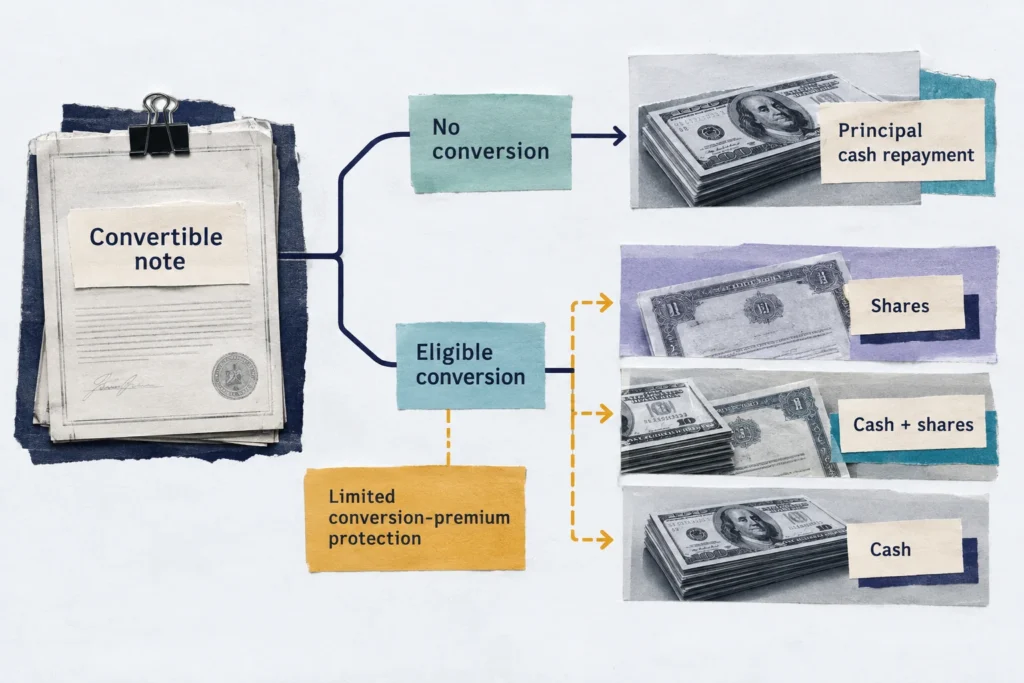
A low coupon doesn’t tell you whether convertible debt will consume cash, dilute shareholders, or do both. Follow one disclosed issuance through repayment and conversion, and keep each claim from being counted twice.
How Should Investors Compare a Technology Company’s Earnings With Its Cash Conversion?

A three-year Salesforce reconciliation shows why cash can exceed earnings without being freely available to shareholders, and which differences should change your forecast.
How Does a Leveraged Technology ETF’s Daily Reset Change Its Return Over Several Months?
A 3x daily-reset ETF doesn’t promise three times a quarterly index return. Two hypothetical paths ending 10% higher show how compounding can produce gains of about 33% or just 3% before costs.
Is a Technology Company’s Operating-Margin Improvement Sustainable?

Separate gross-margin gains from expense leverage, identify what caused each improvement, and test whether the higher margin survives the spending needed for growth.
How Can Investors Tell Whether Stock Buybacks Are Offsetting Stock-Based Compensation Dilution?

Big repurchase spending doesn’t necessarily mean your ownership increased. Reconcile shares issued, withheld, and repurchased, then examine what the result cost.
What Does a Software Company’s Remaining Performance Obligation Backlog Tell Investors About Future Revenue?

Remaining performance obligations provide evidence of contracted future revenue, not guaranteed next-year sales. Recognition timing, contract terms, and disclosure exclusions determine how useful that evidence is.
When Does a Technology Company’s Large Cash Balance Actually Reduce Risk for Shareholders?

Cash offers real protection when the company can access it in time to cover necessary spending and dated obligations, even if operating cash generation weakens.
How Does an At-the-Market Stock Offering Affect Cash Runway and Shareholder Dilution?

An ATM announcement isn’t cash in the bank. Here’s how to separate completed financing from unused capacity, calculate ownership dilution, and estimate the time a raise actually buys.